
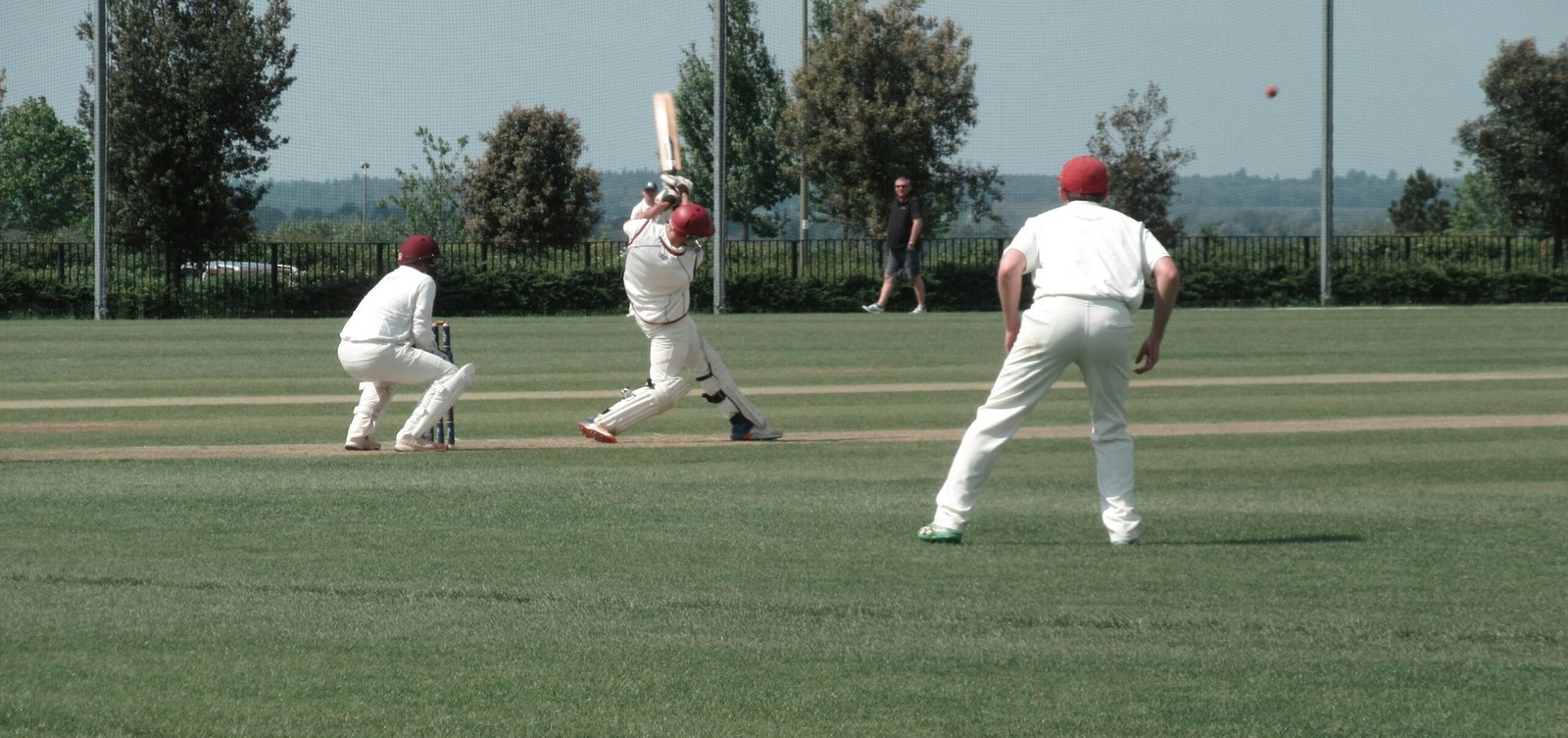
The Shock of Steve Smith’s Withdrawal
On the day of the highly anticipated third Ashes Test, cricket fans worldwide were struck with disbelief when it was announced that Steve Smith would not be participating. The news broke just 20 minutes before the toss, leaving teammates, coaches, and supporters in a state of shock. Smith’s absence was not only a blow to the Australian team but also sent ripples across the cricketing community, who had come to expect his exemplary performance on the pitch. Known for his resilience and dedication, Smith has always been regarded as one of the finest batsmen in contemporary cricket, making this sudden announcement even more heartbreaking.
The immediate reactions from both players and fans reflected a profound sense of disappointment and concern. Teammates expressed their admiration for Smith’s commitment to the game and acknowledged the qualities that make him an irreplaceable player. Coach Justin Langer emphasized the importance of wellbeing in sports, recognizing that Smith’s health takes precedence over performance. The social media landscape was flooded with messages of support and confusion as fans grappled with the implications of the Australian star’s withdrawal.
Steve Smith’s recent struggles with vertigo added a layer of complexity to this unforeseen circumstance. As a player who has consistently demonstrated unwavering passion for cricket, his withdrawal undoubtedly leaves a void not only in the lineup but also in the hearts of those who watch and support the game. This development serves as a reminder of the unpredictable nature of sports and the vulnerabilities athletes face, even at the pinnacle of their careers. As the cricketing world continues to process this shocking revelation, one thing remains clear: Steve Smith’s contributions to the sport will be sorely missed during this crucial Test match.
Understanding Vertigo: A Closer Look at the Condition
Vertigo is often misconceived as a mere sensation of dizziness; however, it encompasses a diverse array of symptoms that can significantly impact an individual’s quality of life, particularly for professional athletes. At its core, vertigo is the false sensation that either you or your surroundings are in motion. This disorienting feeling can range from mild to severe and is often accompanied by other distressing symptoms.
Individuals experiencing vertigo may perceive a spinning sensation, leading to considerable balance difficulties. This sensation can induce a state of disarray, preventing not just physical activity but also basic functional capabilities. The sensation of spinning can be so intense that it leads to a fear of falling and subsequent avoidance of certain movements, thereby hampering training and performance. In athletes like Steve Smith, the implications of vertigo extend beyond discomfort; they can severely impair coordination, focus, and reaction time, which are critical factors in sports performance.
In addition to the spinning sensation, other symptoms commonly associated with vertigo include nausea, nystagmus, and tinnitus. Nausea can lead to vomiting, further complicating an athlete’s ability to maintain energy levels and stamina. Nystagmus refers to the involuntary eye movement that can accompany vertigo, often affecting visual stability. Similarly, tinnitus, or ringing in the ears, can introduce additional distractions that further affect concentration. Collectively, these symptoms create a multifaceted challenge for those experiencing vertigo.
For a professional athlete facing the rigors of competition, the gravitational pull of these debilitating sensations can be profoundly disheartening. The struggle to manage vertigo highlights not only the physical challenges but also the mental resilience required to navigate such an affliction. Understanding the complexities of vertigo is essential in appreciating the significant impact it can have on athletes like Steve Smith.
The Causes of Vertigo
Vertigo is a distressing condition characterized by a sensation of spinning or dizziness, often associated with various underlying causes related to the vestibular system. The vestibular system, located in the inner ear, plays a crucial role in maintaining balance and spatial orientation. Understanding the primary causes of vertigo can shed light on how certain conditions can disrupt this delicate system, impacting individuals like Steve Smith, particularly in high-stakes environments such as sports.
One common cause of vertigo is Benign Paroxysmal Positional Vertigo (BPPV), which occurs when small calcium crystals, known as otoconia, become dislodged from their normal location within the inner ear. These crystals can interfere with the normal functioning of the vestibular system, leading to episodes of intense vertigo triggered by specific head movements. BPPV is often treatable through physical maneuvers designed to reposition the crystals.
Another significant cause is vestibular neuritis, an inflammation of the vestibular nerve, typically resulting from a viral infection. This condition can lead to severe vertigo, often accompanied by nausea and balance issues. Individuals may experience a sudden onset of vertigo, which can disrupt daily activities and professional performance.
Ménière’s disease is another notable contributor to vertigo and is characterized by episodes of vertigo, tinnitus, hearing loss, and a feeling of fullness in the ear. This condition arises from an abnormal accumulation of fluid in the inner ear, affecting balance and auditory function.
Vestibular migraines, which may not always present with the classic migraine symptoms, can also cause episodes of vertigo. These migraines can arise without any apparent headache, complicating the diagnosis and management of vertigo in affected individuals.
Lastly, central vertigo is linked to issues with the brain itself, such as strokes or tumors affecting the vestibular pathways. As seen with athletes like Steve Smith, managing vertigo amidst the pressures of competitive sports can be particularly challenging. Recognition of these causes and their implications is essential for a nuanced understanding of the condition and its management within the context of professional sports.
Navigating Treatment and Recovery from Vertigo
Recovering from vertigo involves a multifaceted approach that encompasses medical treatments, lifestyle modifications, physical therapy, and psychological support. A comprehensive treatment plan tailored to individual needs is essential for managing symptoms effectively. One common method of addressing vertigo is through vestibular rehabilitation therapy (VRT), a specialized form of physical therapy designed to help individuals regain balance and reduce dizziness. This is particularly crucial for athletes, as maintaining physical performance while coping with vertigo symptoms can be challenging.
Medications also play a significant role in managing vertigo. Options such as antihistamines, antiemetics, and benzodiazepines may be prescribed to alleviate symptoms or address specific underlying conditions. These medications can provide temporary relief but should be used judiciously and under medical guidance, as they often carry side effects that may affect overall performance.
In addition to medical interventions, lifestyle changes can significantly enhance recovery. Regular exercise, staying hydrated, and avoiding triggers such as excessive caffeine or alcohol can lessen the frequency and intensity of vertigo episodes. Adopting relaxation techniques, including yoga or meditation, can also contribute to overall well-being by reducing stress levels. Psychologically, coping with a chronic condition like vertigo demands resilience, particularly for competitive athletes like Steve Smith. Support systems, from mental health professionals to team members, are crucial in helping individuals navigate the emotional challenges that come with health issues.
Ultimately, the intersection of physical health and emotional resilience is vital for athletes facing vertigo. By embracing a holistic approach to treatment — one that encompasses both medical and psychological support — it is possible to foster recovery and sustain performance, even in the face of adversity.
It’s true, but It could be because of anything even weather
It’s a great point! ya, I guess while the team hasn’t explicitly blamed the weather, Adelaide is known for specific conditions that probably can trigger vestibular issues like Heat and Hydration, On the morning of the match, it was reported as a “bright, sunny day.” High temperatures can lead to dehydration or electrolyte imbalances, which are known triggers for dizziness and vertigo. and Pressure Changes: Vestibular issues are often sensitive to changes in barometric pressure. If there were shifts in the weather leading up to the Test, these could have aggravated his inner-ear balance.